Diane is forty-four and lives in a three-bedroom house outside Akron. For eleven years, dinner was on the table at six. Not 6:15. Six. Her husband worked a route that got him in at 5:40, her son had practice until five, and somewhere along the way the whole house started running on a clock that only she was watching.
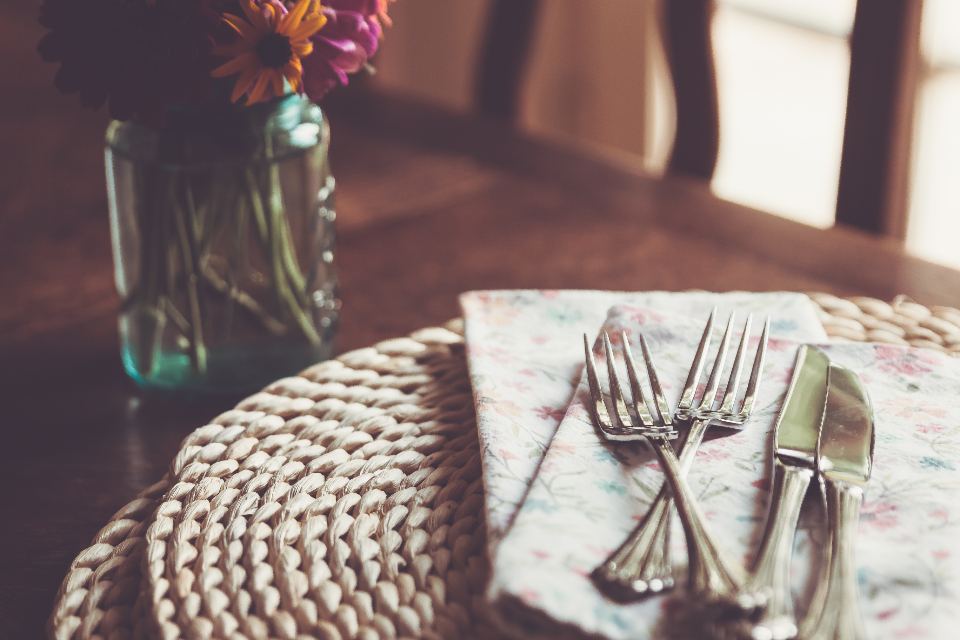
That Thursday she made pot roast, because Thursday was pot roast. She set four places out of habit, then took one away, because her daughter had moved to Columbus in August and the fourth plate had become a thing she did without thinking.
At 6:20 her husband texted: running late, don't wait. At 6:45 her son texted that he was eating at a friend's. She read both messages standing up, still holding the oven mitts.
She sat down anyway. She ate at a table set for three, alone, and she told me the thing she remembers is not sadness. It was something flatter than that.
"I wasn't upset that nobody came. I was upset that I couldn't remember the last time anybody asked me what I wanted for dinner."
Here is what she did next, and it is smaller than you would expect. She did not have a conversation with her husband. She did not announce anything. She scraped the pot roast into a container, made herself a cup of ginger tea, and sat on the back step for twenty minutes without her phone.

The next Thursday she did it again. The one after that, she moved dinner to 6:30 without telling anyone, and nobody noticed. That, she said, was the part that stung and freed her at the same time: the six o'clock rule had not been keeping the family together. It had been keeping her busy.
By November she had signed up for a Tuesday pottery class at the rec center, mostly because it was the only thing available. She is not good at pottery. She says this cheerfully. What she likes is that for ninety minutes a week, she is the only person she is responsible for.
Her husband, for what it is worth, now cooks on Thursdays. Badly. She says the chicken is always dry and she has decided not to mention it.
Women write in about this more than almost anything else: not a crisis, not a fight, just the slow arithmetic of always being the one who keeps the schedule. It rarely ends in a dramatic scene. It usually ends the way it did for Diane, with a cup of tea on a back step and a small decision nobody else even registers.
Story based on a composite, fictional character. Photos are illustrative.